

Solar Power Knowledge
The Ultimate Guide to Wholesale Solar Panels: Sourcing, Pricing, and Logistics for B2B Buyers
 高土
高土This guide helps B2B solar buyers, distributors and EPC contractors source wholesale solar panels. It covers Tier 1 supplier definition, $/W pricing rules, N-Type TOPCon vs PERC technical comparison, global certifications and international shipping tips to reduce procurement risks and boost project ROI.
- Tier 1 solar panels
- N-Type TOPCon
- Typical MOQ for factory wholesale: one 40ft container; small pallet orders are available at higher unit price.
- Check local certifications (UL / TUV / IEC / CEC) before shipment to avoid customs hold-ups.
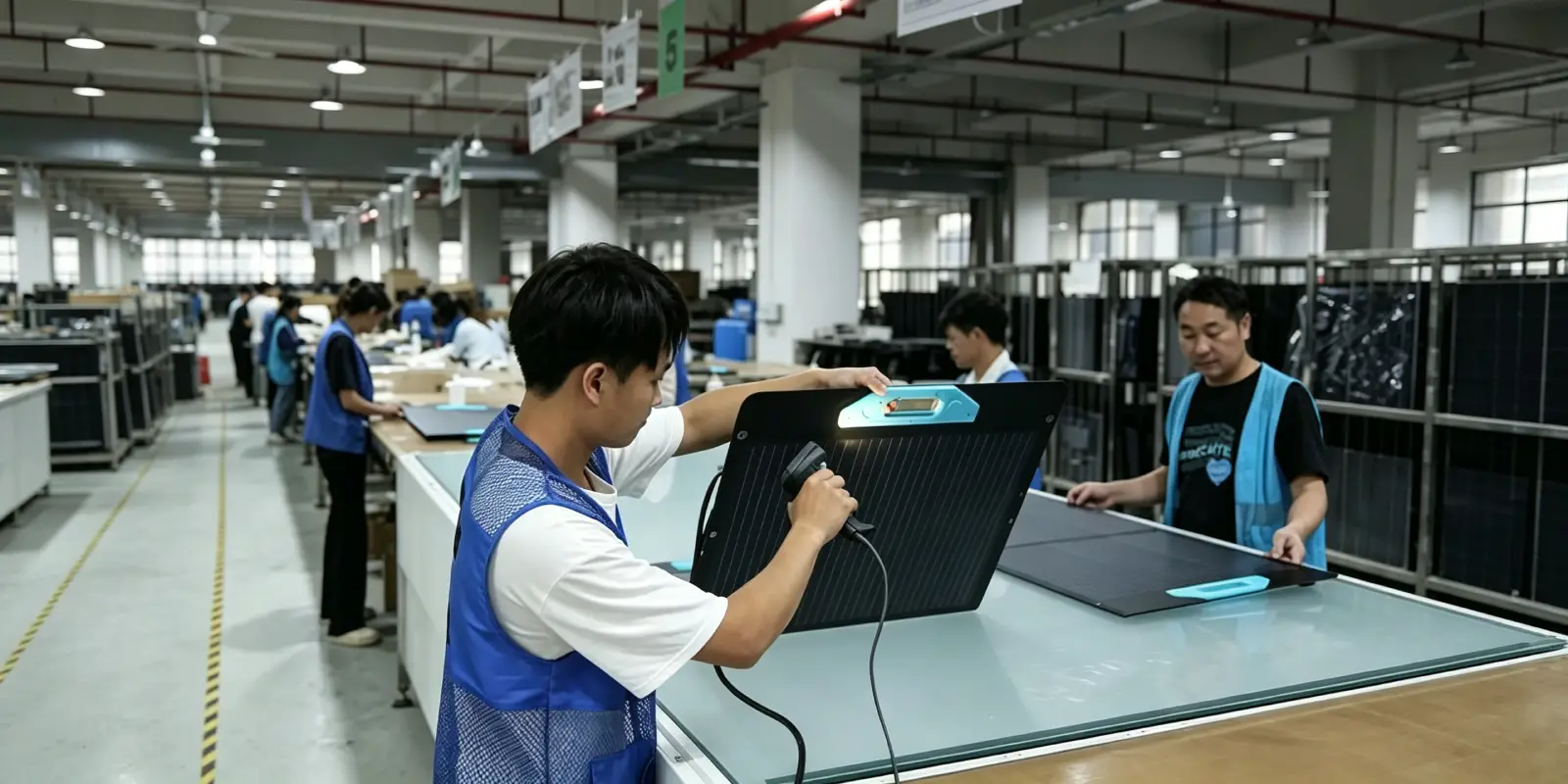
- Cost Reduction via Economies of Scale: Lowering the average price per watt by ordering in bulk.
- Inventory Stability: Securing long-term supply agreements to mitigate local shortages.
- Access to Latest Technology: Staying competitive by partnering directly with manufacturers or first-tier distributors.
- Tier 1 Manufacturers: Companies categorized under this tier (such as Longi, Jinko, Trina, and JA Solar) are recognized for their strong financial stability. They have been vetted by reputable financial institutions, heavily invest in automated production, and offer robust 25-to-30-year performance warranties.
- Tier 2 and Tier 3 Suppliers: These manufacturers often offer lower upfront prices but may present higher long-term risks. They may lack the financial backing required to guarantee warranties decades into the future.
- Price Per Watt ($/W): The standard metric used globally to evaluate solar costs. Wholesale rates vary depending on order volume and technology type.
- Minimum Order Quantity (MOQ): Most direct manufacturers require a minimum purchase of one 40ft container (roughly 600 to 900 panels, depending on the wattage). For smaller regional distributors, the MOQ may be lowered to a single pallet (approx. 30–36 panels) at a slightly higher premium.
- Cell Technology: Newer N-Type TOPCon and HJT (Heterojunction Technology) modules yield higher efficiency and lower degradation rates, and command a higher wholesale price compared to older P-type PERC panels.
- PERC (Passivated Emitter and Rear Cell): For years, PERC was the cost-effective industry standard. While still widely used, its efficiency limits have flattened out around 23%.
- N-Type TOPCon (Tunnel Oxide Passivated Contact): This technology has become the dominant choice for wholesale buyers. TOPCon offers better temperature coefficients, higher efficiency, and significantly lower first-year degradation, providing a stronger return on investment for commercial projects.
| Feature | P-Type PERC | N-Type TOPCon |
|---|---|---|
| Average Efficiency | 21% – 22.5% | 22.5% – 24.5% |
| First-Year Degradation | ~2.0% | ~1.0% |
| Temperature Coefficient | -0.35%/°C | -0.30%/°C |
- North America: UL 61730, CEC (California Energy Commission) listing.
- Europe: CE, TUV Rheinland, IEC 61215, IEC 61730.
- Australia: Clean Energy Council (CEC) Approved Products.
Certifications determine whether your modules can pass customs inspection and qualify for project financing. Check our complete B2B guide for solar panel certifications & bankability guide to sort out mandatory standards for each target sales region.
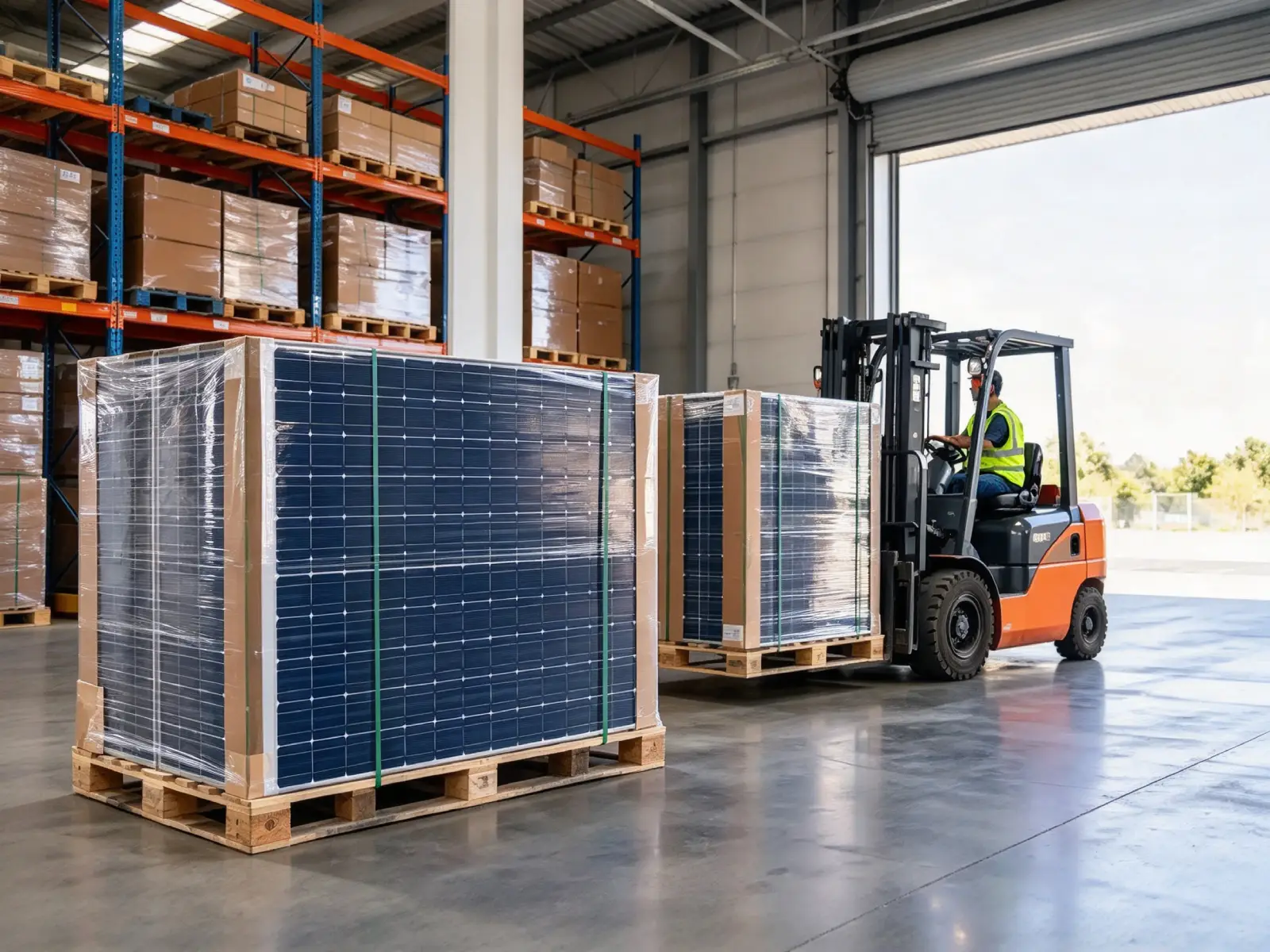
- Pallet Packaging: Vertical packing with heavy-duty corner protectors to prevent micro-cracks during transit.
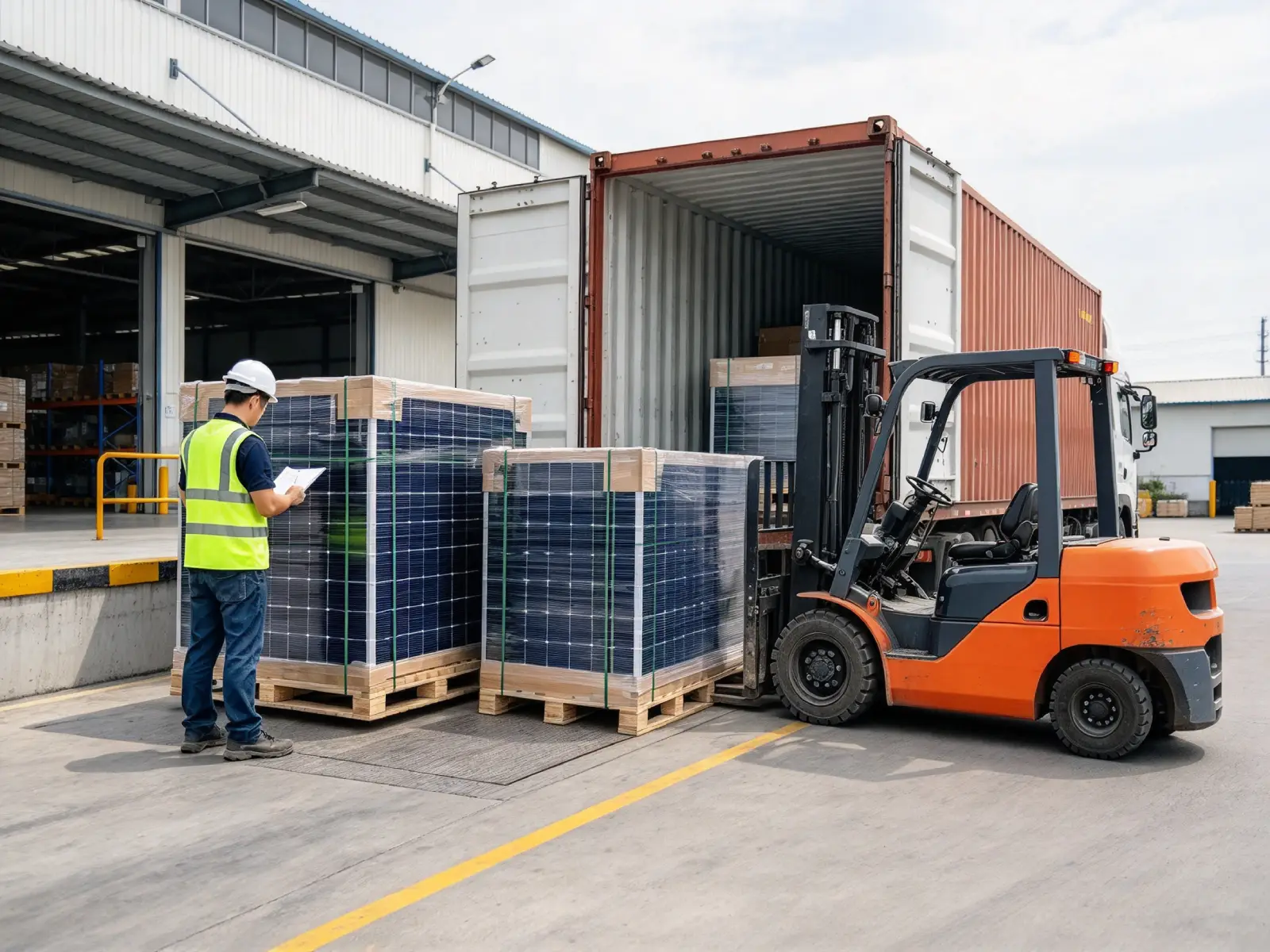
- Container Loading: Maximizing a 40ft High Cube (HC) container to distribute weight evenly and minimize ocean freight costs per unit.
Further reading for B2B solar buyers
As a B2B solar purchaser, there are many hidden details across pricing, shipping, compliance and supplier auditing that can affect your project profit margin. Expand your knowledge with our dedicated articles below:
- Wholesale Solar Panel Price per Watt: 2026 Buying Guide
- Solar Panel Bulk Procurement & Shipping Logistics: Pallets, Containers & Landed Cost Guide
- Hidden Costs to Avoid When Buying Solar Panels in Bulk
- How to Import Solar Panels from China Safely: Compliance and Risk Mitigation Guide
- How to Evaluate a Wholesale Solar Panel Distributor: B2B Sourcing Protocol
- Solar Panel Certifications: The Complete B2B Compliance and Bankability Guide
Gaotu Innovation
OEM & ODM Solar Energy Solution Provider
Balcony PV | Portable Solar Panel | BIPV | Power Station

发表回复